
Energy, when you need it
What a battery energy park actually is, why Australia’s grid needs them, and what it means to have one nearby.
The basics
What is a battery energy park?
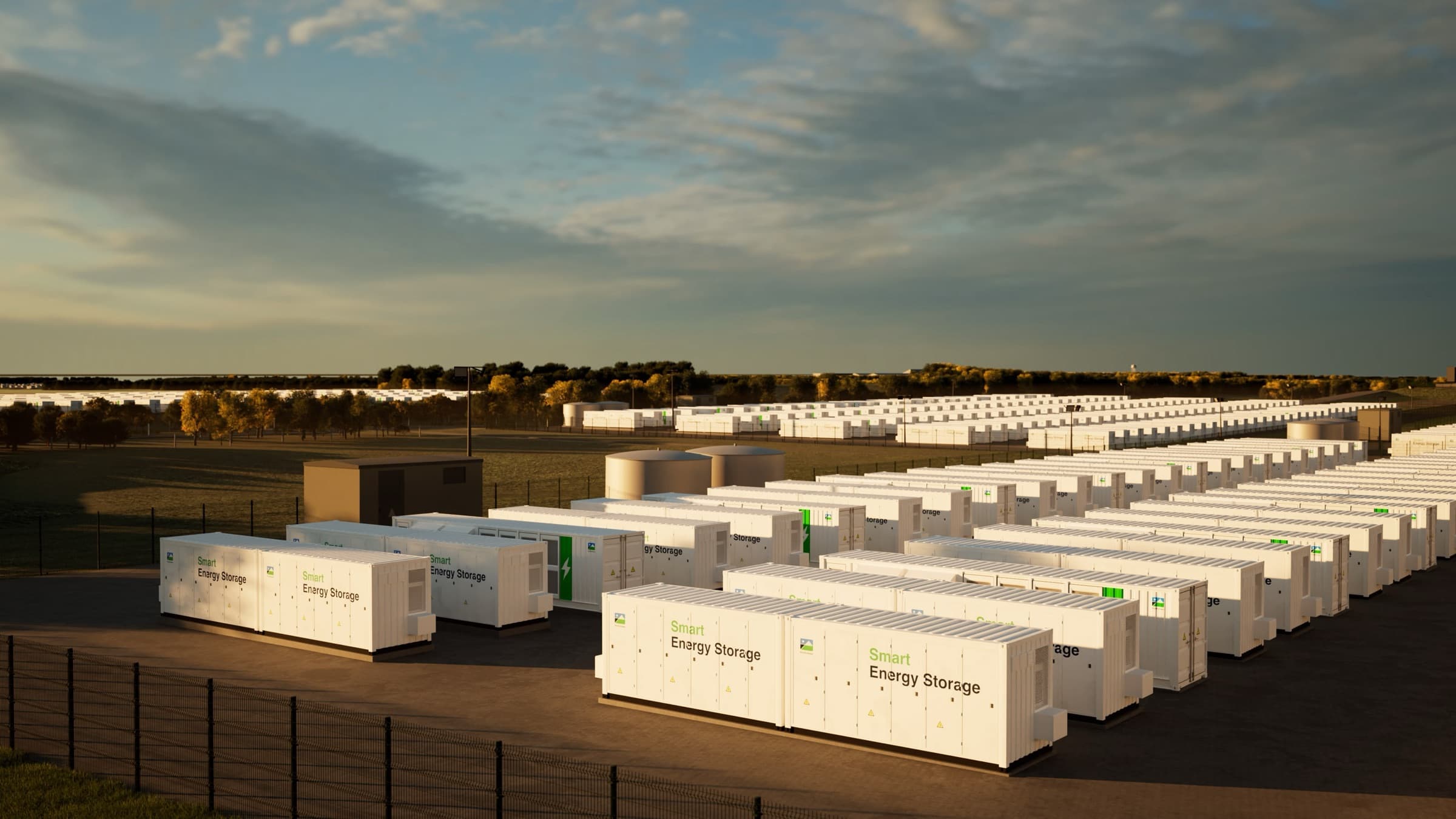
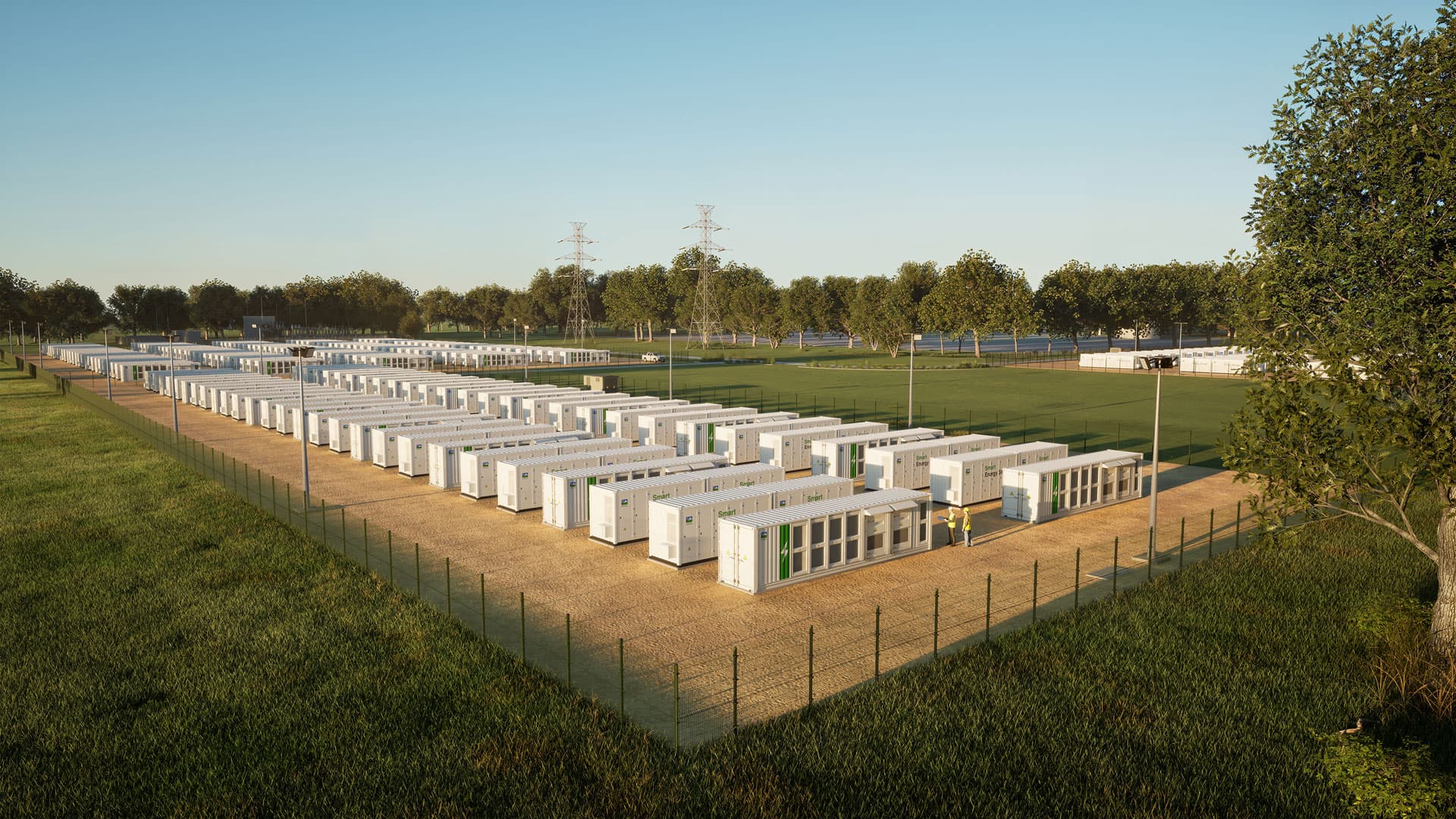
A Battery Energy Storage System (BESS) is a large-scale energy storage facility that stores and releases energy to the electricity grid. A BESS comprises several “enclosures” or battery units (broadly resembling a shipping container), inverters, transformers and other electrical equipment, along with access tracks, water tanks, site offices, landscape screening and security fencing.
A BESS stores electricity when there is excess generation (for example, during the middle of the day when solar production is high) and releases that energy when demand increases, such as in the early evening. This makes renewable energy sources like wind and solar more consistent and reliable, and helps keep the grid stable as ageing thermal power stations retire.
In many ways the modern BESS is a contemporary use of technology to store excess renewable energy the same way off-peak hot water storage in the 1960s and 1970s stored excess overnight energy from coal-fired stations.
Key statistics
≤3m
maximum height of a battery unit above natural ground level
1–5%
of host land used (to date). Farming, or another host land use, can continue.
24/7
remote monitoring, with maintenance on site
95%
of valuable battery materials recoverable at end of life
Why storage matters
Why Australia’s grid needs storage
Australia’s electricity system is changing. More of our power now comes from wind and solar, households are generating and storing their own, and ageing power stations are reaching the end of their working lives. That makes storage essential: the Australian Energy Market Operator (AEMO), which plans the national grid, projects the National Electricity Market will need nearly 50 GW of grid-scale storage and hydro by 2050.
Reliable supply
With energy held in reserve, the grid can keep supply steady through evening peaks, hot days and unexpected outages.
More from renewable energy
Solar output peaks in the middle of the day, while demand peaks in the evening. Storage moves that energy to when it’s needed, instead of letting surplus go unused.
Steadier prices
Batteries discharge when demand is highest, competing with the most expensive generation and helping moderate peak prices for electricity users.
A stable grid
Batteries respond almost instantly, helping keep the grid’s frequency and voltage steady when a generator or line drops out unexpectedly.
Better use of the existing grid
Energy parks are built beside existing substations, making better use of the network already in place and adding flexibility as demand grows.
Investment in the regions
Each energy park brings investment, local jobs and community benefits to the region that hosts it.
Source: AEMO, 2026 Integrated System Plan for the National Electricity Market.
What gets built
The key parts of an energy park
A park is rows of battery units inside a fenced, screened compound, connected to a nearby substation. Each unit is self-contained, with its own cooling, monitoring and fire suppression. Switch between the two views to see what each part does.
Safety
Designed with multiple layers of protection
Every project is engineered to meet International Electrotechnical Commission (IEC) and Australian Standards (AS), and undergoes rigorous safety and security testing. Battery containers are sealed and monitored, with heat sensors and their own fire suppression systems: if a single cell fails, that section is isolated and contained.
Asset protection zones and perimeter roads follow the relevant fire authority’s design guidelines, and each site operates under bushfire, risk, fire and emergency management plans developed with the relevant authorities.
Independent experts including ARPANSA have found no known or documented electromagnetic radiation impacts associated with big batteries. EMF levels at a site boundary are typically indistinguishable from background levels.
End of life
What happens when it’s done?
Each battery unit has an initial life of 20–25 years, with refurbishment and repowering able to extend a project’s life to around 50 years. At the end of life, the BESS is removed with its related infrastructure and the site restored, with decommissioning requirements set out in contracts with the landowner and within the approvals process.
Up to 95% of valuable materials (lithium, nickel, cobalt, copper, aluminium and iron) can be recovered through specialised recycling, and manufacturers are adopting take-back schemes for end-of-life systems.
Near one of our projects?
Whether you have a question, an idea, or a concern, we want to hear from you. Call our community line or send the project team a message.